One year of the NCRA with Valter Selén and Alexander Mäkelä | What Goes Up Must Come Down, episode 15
One year in, the Nordic Carbon Removal Association has already doubled its membership and helped drive nearly half of the world's contracted carbon removal supply. Here's how it happened — and what comes next.
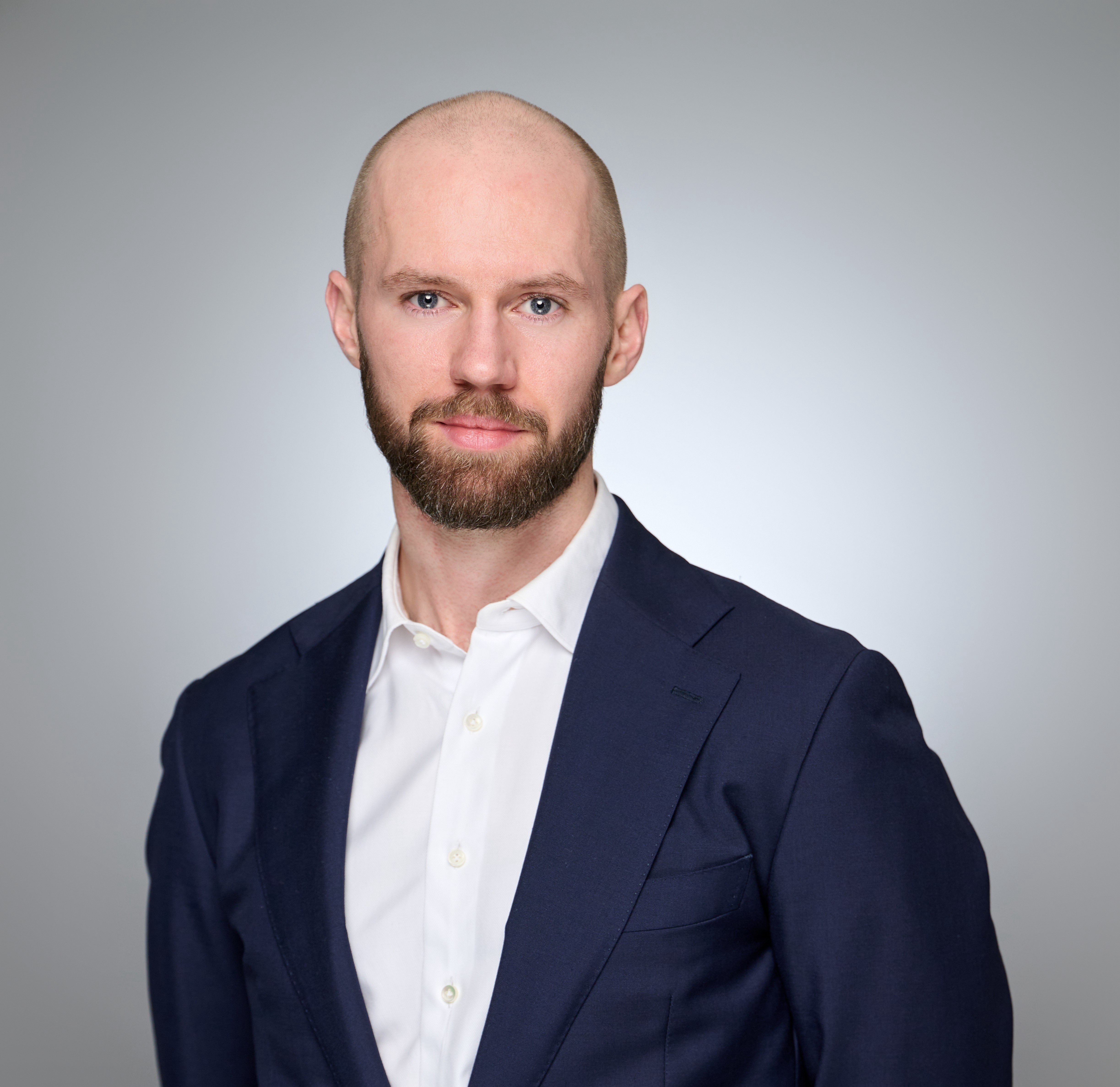
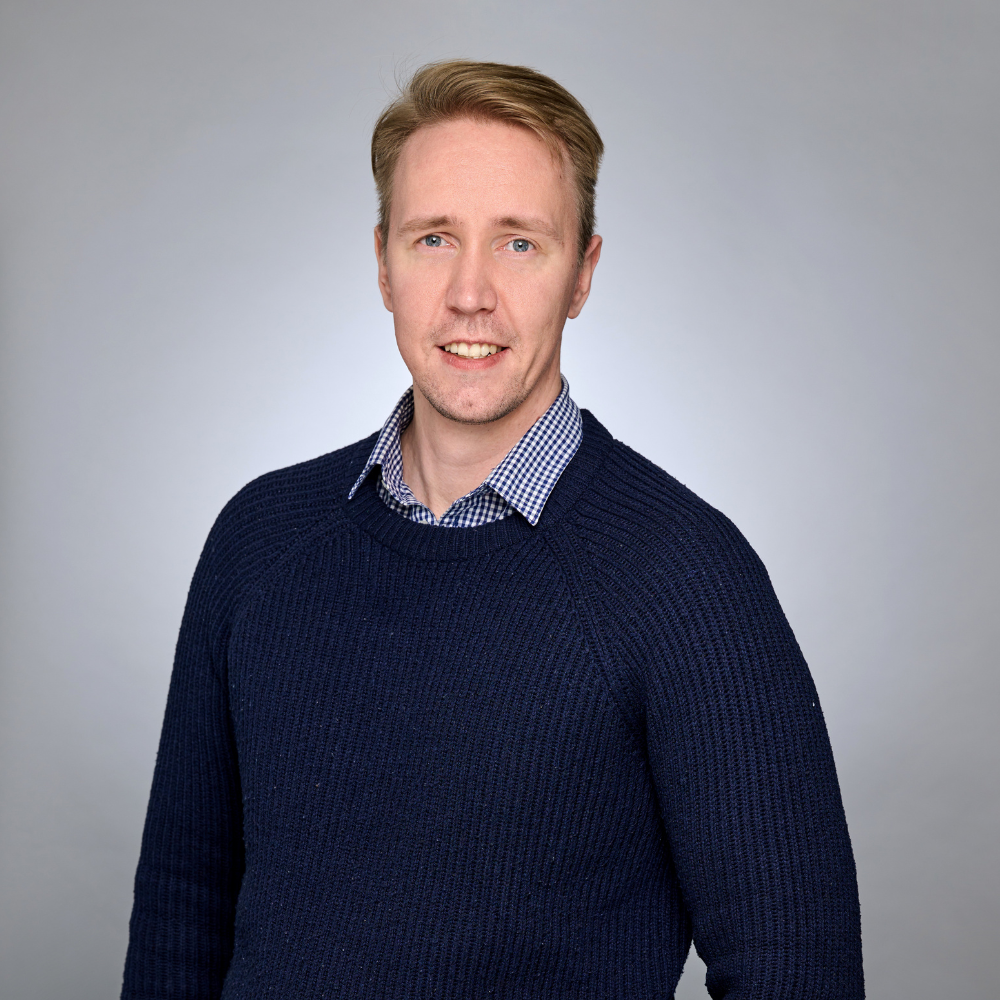

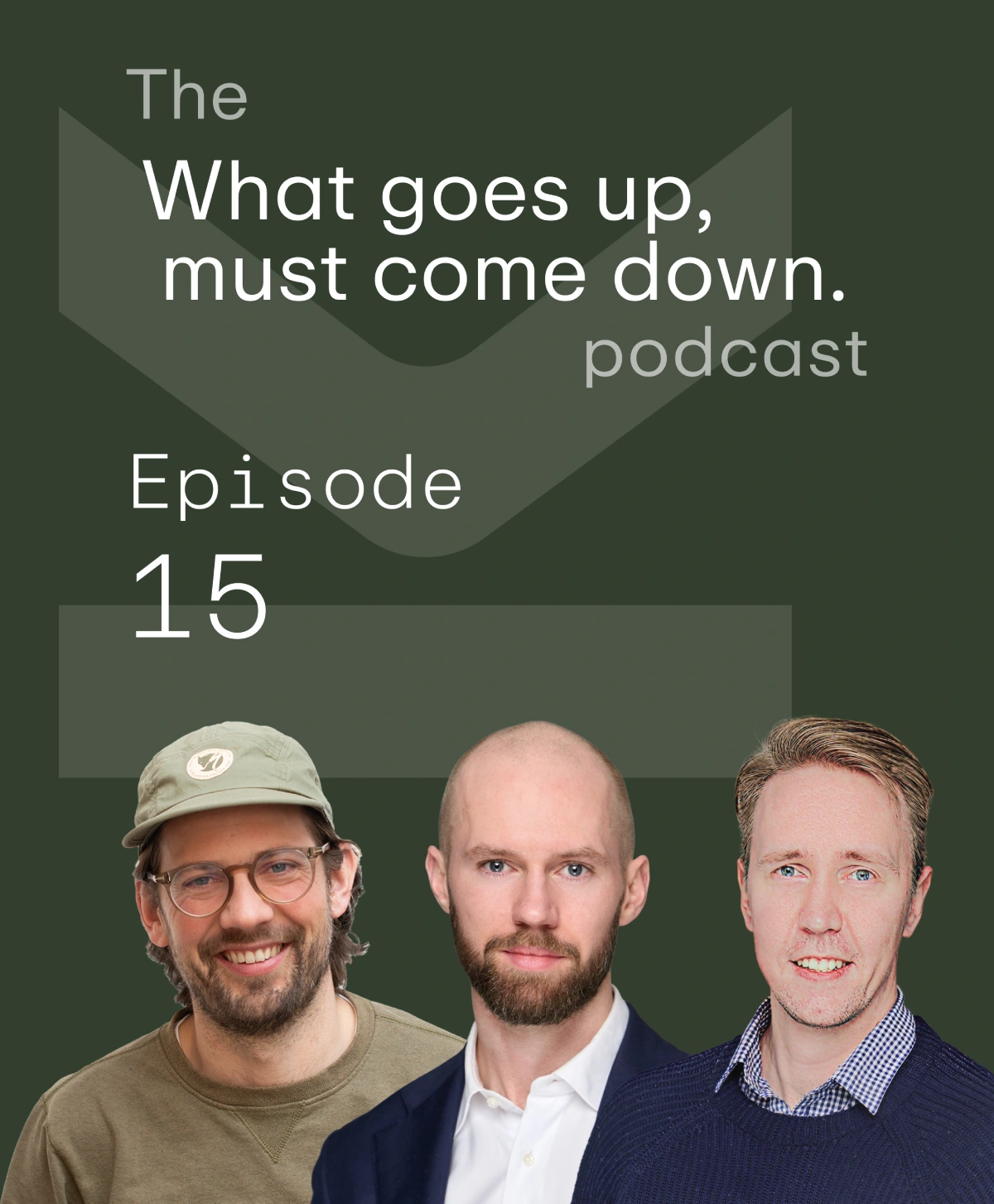
You're listening to:
Valter Selén is the co-founder and Secretary General of the Nordic Carbon Removal Association, where he is supporting the growth of the Nordic carbon removal industry.
Valter has a background working on policies to drive demand for carbon removal as part of a Policy Director role with Carbon Gap, Europe’s leading CDR NGO.
During close to a decade of experience in EU policy-making, Valter has worked with climate policy in various roles including the European Commission and industry players such as the European Sea Ports Organisation (ESPO).
As Chief Policy Officer, Alexander leads Carbon Gap’s policy team across Europe and driving global efforts to advance carbon dioxide removal.
Before joining Carbon Gap, Alexander has, among other things, worked at McKinsey as a management consultant focused on carbon management, worked on digital policy at Facebook, supported civil society organisations while at The Good Lobby, and taken care of refugees as a social entrepreneur on behalf of the Swedish government.
Alexander earned his MBA from Northwestern’s Kellogg School of Management as a Fulbright Scholar, a master’s degree in European Public Policy from the College of Europe, and a bachelor’s degree in Philosophy, Politics, and Economics from Lancaster University.
Simon has over ten years experience advising leading corporates and public organisations on climate and sustainability. With combined expertise on land-based projects and the carbon removal industry, he leads the side of Klimate focused on delivering impact. Simon brings this deep knowledge to an advisory role on critical topics including future of the market, company strategy, and regulatory affairs.
A year ago, the Nordic Carbon Removal Association (NCRA) didn't exist. Today, it has 37 members, a seat at the table in Brussels, and a founding story that reads a lot like a startup's. In a recent episode of What Goes Up Must Come Down, Klimate's Simon sat down with Valter Selén, co-founder and Secretary General of the NCRA, and Alexander Mäkelä, Chief Policy Officer at Carbon Gap and NCRA co-founder, to talk through how the association came together, where Nordic carbon dioxide removal (CDR) stands today, and what's needed to turn the region's potential into real, permanent removal capacity.
TL;DR
- The NCRA launched just over a year ago, combining a market report and a trade association launch in one go, a first for the sector
- Around 40% of all globally contracted CDR supply has come from the Nordics, a region of roughly 25 million people
- The past few months have been rockier, with some voluntary market projects paused and less reliance possible on a single anchor buyer
- Three priorities for the year ahead: broaden corporate demand, shift toward government-backed demand, and bring new industries like cement and steel into the CDR conversation
- Long term, the Nordics could supply up to 60% of Europe's total removal needs by 2050, and export the expertise behind it
Origins of the NCRA
The NCRA's story starts with Stripe. The payments company had built a fellowship for policy entrepreneurs working to grow demand for carbon removal across different sectors and regions. Alexander Mäkelä's pitch was the Nordics: what would it take to build as much new demand here as possible? He wrote the application from a cafe in South Korea, sketching out the idea for a trade association and an intergovernmental working group.
Around the same time, Valter Selén, then Policy Director at Carbon Gap, had been thinking about the same gap. The Nordics had plenty of suppliers and interested parties, but no coordinated effort behind them. A conversation with Carbon Gap's CEO connected Valter and Alexander directly, and Carbon Gap took on the role of incubating what would become the NCRA.
What followed was, by their own account, unusually collaborative. The founding team built a pitch deck and held somewhere between 60 and 80 conversations over about five months, updating the deck after every one. Valter recalls meeting someone from Stockholm Exergy early on, then running into her again a month and a half later at the European Parliament, where she reacted to the pitch deck with, "wait, I suggested that." That sense of shared ownership, both founders agree, was central to how quickly the association found its footing.
The NCRA's mission is straightforward: drive demand and supply of high-quality, permanent CDR in the Nordics, by the Nordics, for the Nordics, with an ambition to make the region a global CDR hub by 2050. It launched in Copenhagen just over a year ago, pairing its debut with a full market report rather than waiting, as most trade associations do, until year two. Membership has more than doubled since.
State of Nordic CDR
The numbers back up the ambition. Roughly 40% of all CDR supply contracted globally has come from the Nordics, a striking figure for a region of five countries and around 25 million people. The underlying conditions help: strong geology, biomass resources, existing infrastructure, and stable governments with high GDP per capita.
But there are real gaps. There is currently no unified CDR strategy across the Nordic countries, and while awareness has grown, most national plans still treat removals as an afterthought to decarbonisation rather than a distinct target. Alexander points to a BECCS (bioenergy with carbon capture and storage) facility in northern Sweden, backed by eleven local municipalities, as a sign of what's possible, but notes this kind of government-level capacity building isn't yet happening consistently across the region.
That matters because CDR infrastructure requires long lead times, often 10 to 20 years, to secure financing, storage contracts, and monitoring, reporting and verification (MRV) partners. Without clearer targets and financing models, that planning becomes harder.
The past year has also tested the sector's resilience. After a hype-driven run of enthusiasm, spring brought a rockier stretch: paused projects and less certainty on the voluntary carbon market (VCM) side, particularly following Microsoft's pullback as the market's dominant anchor buyer. Valter is careful to separate signal from noise here — underlying policy progress and contracted volumes remain solid, even if sentiment has cooled.
What's next for NCRA and the sector
Looking ahead, Valter outlines three priorities. First, broaden voluntary demand beyond a single anchor buyer by bringing more Nordic corporates on board. Second, shift some of the weight from the voluntary market toward government-backed demand — Norway's proposed reverse fee for carbon removal is one example being watched closely. Third, extend CDR into traditional industries that haven't engaged with it yet: cement, steel, pulp and paper, and mining.
Underpinning all three is a simpler ask: separate targets for emissions and removals. Right now, most Nordic countries fold removals into broader net-zero goals rather than setting them as their own measurable target. Without that separation, it's hard to create a demand signal solid enough to invest against, regardless of whether the bill is footed by public procurement, tax incentives, or the voluntary market.
Alexander adds a longer-term dimension: the Nordics' opportunity isn't only about selling removal credits. It's about exporting the expertise behind them — MRV services, engineering and storage capabilities, project development — much as Denmark's early investment in wind power became one of its largest export industries decades later.
Conclusion
A year in, the NCRA has moved faster than most trade associations manage in several. Both founders are clear that the harder work is still ahead: building the government capacity, financing clarity, and industrial demand needed to turn the Nordics' natural advantages into lasting removal capacity, for the region and potentially for Europe's broader climate ambitions.
Where to find the podcast?
Listen to the podcast on Spotify, Podbean, or Apple Podcasts.
Valter Selén is the co-founder and Secretary General of the Nordic Carbon Removal Association, where he is supporting the growth of the Nordic carbon removal industry.
Valter has a background working on policies to drive demand for carbon removal as part of a Policy Director role with Carbon Gap, Europe’s leading CDR NGO.
During close to a decade of experience in EU policy-making, Valter has worked with climate policy in various roles including the European Commission and industry players such as the European Sea Ports Organisation (ESPO).
As Chief Policy Officer, Alexander leads Carbon Gap’s policy team across Europe and driving global efforts to advance carbon dioxide removal.
Before joining Carbon Gap, Alexander has, among other things, worked at McKinsey as a management consultant focused on carbon management, worked on digital policy at Facebook, supported civil society organisations while at The Good Lobby, and taken care of refugees as a social entrepreneur on behalf of the Swedish government.
Alexander earned his MBA from Northwestern’s Kellogg School of Management as a Fulbright Scholar, a master’s degree in European Public Policy from the College of Europe, and a bachelor’s degree in Philosophy, Politics, and Economics from Lancaster University.
Simon has over ten years experience advising leading corporates and public organisations on climate and sustainability. With combined expertise on land-based projects and the carbon removal industry, he leads the side of Klimate focused on delivering impact. Simon brings this deep knowledge to an advisory role on critical topics including future of the market, company strategy, and regulatory affairs.
Discover the news shaping the future of carbon removal.

How to align with the Oxford Offsetting Principles
Heading 1
Heading 2
Heading 3
Heading 4
Heading 5
Heading 6
Lorem ipsum dolor sit amet, consectetur adipiscing elit, sed do eiusmod tempor incididunt ut labore et dolore magna aliqua. Ut enim ad minim veniam, quis nostrud exercitation ullamco laboris nisi ut aliquip ex ea commodo consequat. Duis aute irure dolor in reprehenderit in voluptate velit esse cillum dolore eu fugiat nulla pariatur.
Block quote
Ordered list
- Item 1
- Item 2
- Item 3
Unordered list
- Item A
- Item B
- Item C
Bold text
Emphasis
Superscript
Subscript

Exploring the State of CDR with Tank Chen | What goes up must come down, Episode 7
Heading 1
Heading 2
Heading 3
Heading 4
Heading 5
Heading 6
Lorem ipsum dolor sit amet, consectetur adipiscing elit, sed do eiusmod tempor incididunt ut labore et dolore magna aliqua. Ut enim ad minim veniam, quis nostrud exercitation ullamco laboris nisi ut aliquip ex ea commodo consequat. Duis aute irure dolor in reprehenderit in voluptate velit esse cillum dolore eu fugiat nulla pariatur.
Block quote
Ordered list
- Item 1
- Item 2
- Item 3
Unordered list
- Item A
- Item B
- Item C
Bold text
Emphasis
Superscript
Subscript

The net zero toolkit with Tobias Sørensen | What goes up must come down, Episode 8
Heading 1
Heading 2
Heading 3
Heading 4
Heading 5
Heading 6
Lorem ipsum dolor sit amet, consectetur adipiscing elit, sed do eiusmod tempor incididunt ut labore et dolore magna aliqua. Ut enim ad minim veniam, quis nostrud exercitation ullamco laboris nisi ut aliquip ex ea commodo consequat. Duis aute irure dolor in reprehenderit in voluptate velit esse cillum dolore eu fugiat nulla pariatur.
Block quote
Ordered list
- Item 1
- Item 2
- Item 3
Unordered list
- Item A
- Item B
- Item C
Bold text
Emphasis
Superscript
Subscript
Sign up for Klimate Insights
Every second month we'll send you an update on all things Klimate, carbon removal, and the most important emerging news and policy.
Talk to a carbon removal strategist
Finding the right way to remove your CO₂ emissions can seem overwhelming. Our team is here to help. Book a meeting to walk through how our solution might fit your needs.