Scaling artisanal biochar │ What goes up must come down, Episode 12
Carboneers shows how artisanal biochar can scale without losing integrity. The lesson is simple: quality matters, but proof matters more—especially when you are building carbon removal with farmers across countries.

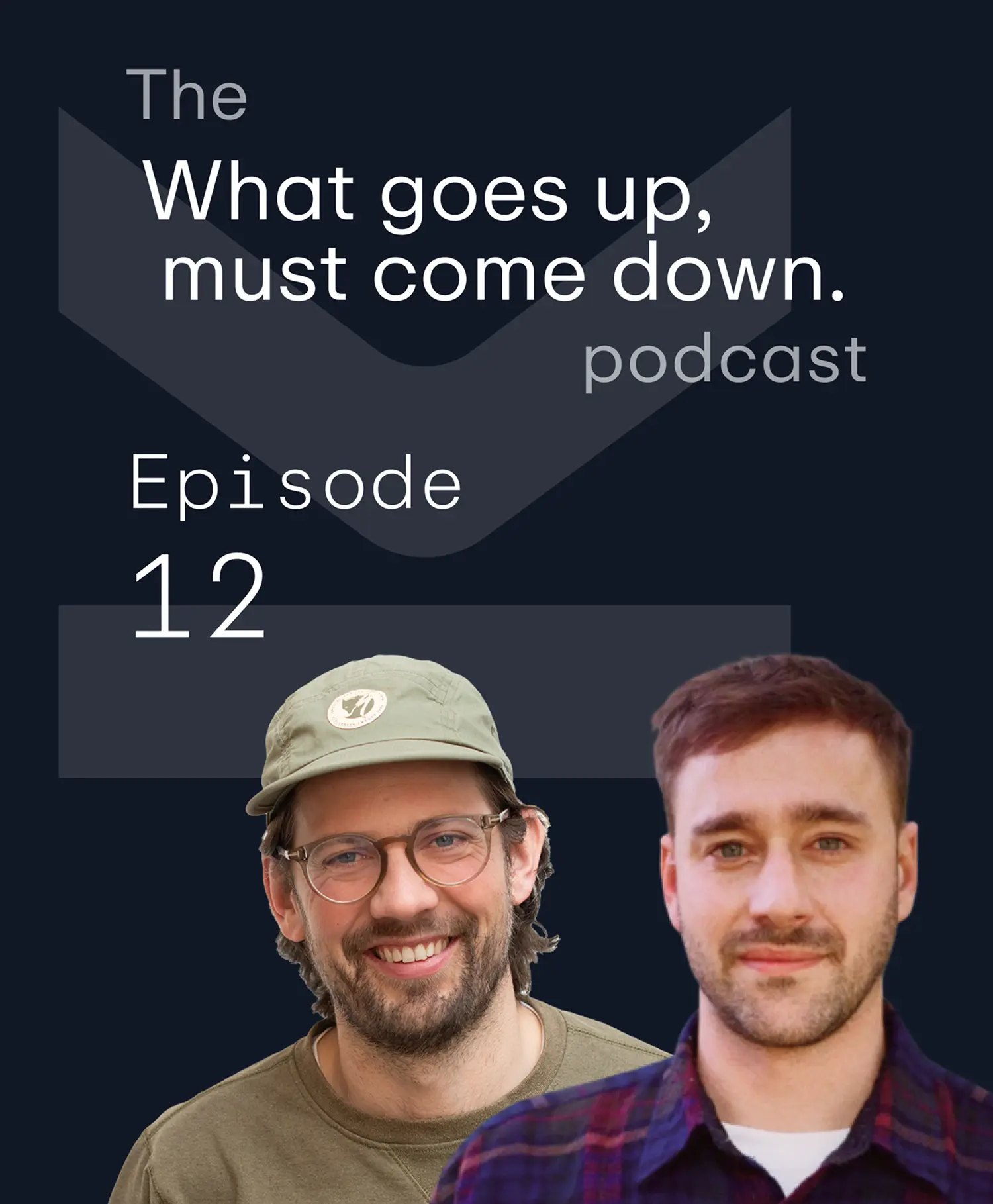
You're listening to:
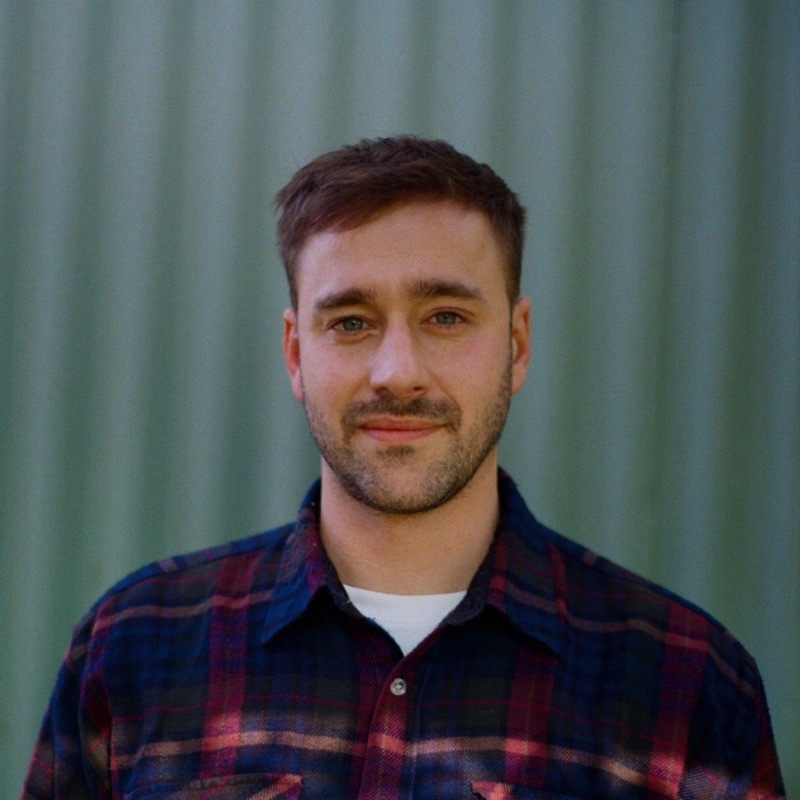
Simon has over ten years experience advising leading corporates and public organisations on climate and sustainability. With combined expertise on land-based projects and the carbon removal industry, he leads the side of Klimate focused on delivering impact. Simon brings this deep knowledge to an advisory role on critical topics including future of the market, company strategy, and regulatory affairs.
Berend de Haas is one of the founders of Carboneers, a company focused on scaling artisanal biochar projects in India and Ghana. With a background in microbiology, he has been primarily focused on the operations of developing biochar technology, and is now focusing on improving traceability in distributed biochar projects with Carboneers' proprietary MRV system.
In this episode of What Goes Up Must Come Down, Simon is joined by Berend De Haas, co-founder of Carboneers, a company focused on running artisanal biochar projects in India and Ghana. Together, they explore the challenges of running biochar projects across multiple countries, the impact of Carboneers’ initiatives, and what the future holds for biochar as a carbon removal solution.
TL;DR
- Biochar is used to sequester carbon while improving soil health and agricultural yields, creating a sustainable income stream for farmers.
- Carboneers operates artisanal biochar projects in India, Ghana, and other countries, focused on empowering local farming communities.
- You can make high-quality biochar with simple setups, but you still need control and evidence
- The strongest “impact” signal is often climate finance reaching farmers directly
Running Artisanal Biochar Projects in India and Ghana
Carboneers began as consultants. After advising others who did not act on the recommendations, they decided to build projects themselves. A webinar question led to a call the same day from Rajesh, a local partner in India with decades of experience working with small farming communities. That partnership became the start of their work in India.
Early on, the team learned by doing. They built a kiln in the Netherlands, sourced agricultural biomass (not wood chips), and made biochar themselves so they could teach farmers with credibility. The first phase was testing ideas, adapting to standards, and accepting that “nothing goes as expected” in the early months—especially in a new context.
A key point from the conversation is worth repeating: there is a myth that you cannot make good biochar with soil pit pyrolysis. Carboneers has seen that you can. When you judge biochar by carbon content and stability, a simple setup can deliver quality.
So why move beyond pits at all? Because quality is only part of the story. As projects scale, you also need:
- consistency across many producers
- better control of gases during production
- data that shows what happened, not just what a lab sample looks like on a good day
Carboneers describes their approach as “mid-tech”. Not industrial plants, but small farm-scale buildings and equipment that bring more control. They added closed chamber solutions to better manage gases and reduce the risk of methane emissions. They also built a kiln that sits over pits and introduced an Internet of Things (IoT) temperature measurement box to log pyrolysis conditions and confirm the process took place.
Alongside India, they are now active in Ghana and continue to explore where the timing, feedstock, and opportunity are right. They also still operate at least one project using soil pit methods, applying technology where it improves control and measurability.
Impact of Carboneers’ projects
Carboneers tracks multiple impact dimensions, but one number stands out: they have distributed over €10 million in climate finance.
That finance shows up in a practical way. Farmers are paid for producing biochar, and paid again for applying it to their own soil. They do not need to buy the product, because they make it. Instead, they are compensated for the work and the carbon stored.
The team also shared observed co-benefits that matter on the farm gate:
- In some cases, yield increases of up to 30% year over year
- Improved water retention in soil, supporting resilience during long dry periods
There is also a “small business” effect in distributed models. Training and tools can turn biochar production into a local service: someone gains a skill, becomes a producer, and serves nearby farmers by converting biomass into a beneficial soil input.
One story captured this well. A farmer produced biochar on a patch of land where a shed had been removed. The next year, maize that had accidentally dropped there sprouted—and became some of the best maize on the farm. It was a simple moment, but it made the impact visible.
Next steps for biochar and Carboneers
The next challenge is also the biggest opportunity: bringing smarter technology into distributed production without moving the value away from farmers.
Carboneers wants to keep impact close to the farm gate. At the same time, they need to convince large corporate buyers that the project claims are real. That is where MRV comes in.
Monitoring, Reporting and Verification (MRV) is the system that moves information from the ground to dashboards and on to independent verification. Carboneers built their early MRV approach with Rajesh’s team, including support from his son Arnav, and has improved it step by step across the full process—from biomass collection to production to application in soil.
Their core point is one we see across the market: much of a carbon credit’s value comes from knowing exactly what happened. A lab sample can help, but it cannot explain every off day, every process deviation, or every missed step. With MRV, you can track conditions and outcomes, and only monetise the credit when the carbon is actually in the ground.
Looking ahead, Carboneers is exploring larger, more continuous pyrolysis operations where feedstock allows it, while continuing to develop tools like temperature monitoring that strengthen credibility at scale. They also set an ambitious target of 1 million tonnes by 2028, noting that ambition needs to be matched with learning and growth.
Conclusion
Carboneers’ story is a useful reminder for any organisation buying Carbon Dioxide Removal (CDR).
Method matters. Quality matters. But systems matter most.
If a project cannot show what happened on the ground—consistently, at scale—it will struggle to earn trust. The projects that do both are the ones that will carry this market forward: real carbon stored, real benefits delivered, and real evidence to back it up.
Where to find the podcast?
Listen to the podcast on Spotify, Podbean, or Apple Podcasts.
Simon has over ten years experience advising leading corporates and public organisations on climate and sustainability. With combined expertise on land-based projects and the carbon removal industry, he leads the side of Klimate focused on delivering impact. Simon brings this deep knowledge to an advisory role on critical topics including future of the market, company strategy, and regulatory affairs.
Berend de Haas is one of the founders of Carboneers, a company focused on scaling artisanal biochar projects in India and Ghana. With a background in microbiology, he has been primarily focused on the operations of developing biochar technology, and is now focusing on improving traceability in distributed biochar projects with Carboneers' proprietary MRV system.
Discover the news shaping the future of carbon removal.

How to align with the Oxford Offsetting Principles
Heading 1
Heading 2
Heading 3
Heading 4
Heading 5
Heading 6
Lorem ipsum dolor sit amet, consectetur adipiscing elit, sed do eiusmod tempor incididunt ut labore et dolore magna aliqua. Ut enim ad minim veniam, quis nostrud exercitation ullamco laboris nisi ut aliquip ex ea commodo consequat. Duis aute irure dolor in reprehenderit in voluptate velit esse cillum dolore eu fugiat nulla pariatur.
Block quote
Ordered list
- Item 1
- Item 2
- Item 3
Unordered list
- Item A
- Item B
- Item C
Bold text
Emphasis
Superscript
Subscript

Exploring the State of CDR with Tank Chen | What goes up must come down, Episode 7
Heading 1
Heading 2
Heading 3
Heading 4
Heading 5
Heading 6
Lorem ipsum dolor sit amet, consectetur adipiscing elit, sed do eiusmod tempor incididunt ut labore et dolore magna aliqua. Ut enim ad minim veniam, quis nostrud exercitation ullamco laboris nisi ut aliquip ex ea commodo consequat. Duis aute irure dolor in reprehenderit in voluptate velit esse cillum dolore eu fugiat nulla pariatur.
Block quote
Ordered list
- Item 1
- Item 2
- Item 3
Unordered list
- Item A
- Item B
- Item C
Bold text
Emphasis
Superscript
Subscript

The net zero toolkit with Tobias Sørensen | What goes up must come down, Episode 8
Heading 1
Heading 2
Heading 3
Heading 4
Heading 5
Heading 6
Lorem ipsum dolor sit amet, consectetur adipiscing elit, sed do eiusmod tempor incididunt ut labore et dolore magna aliqua. Ut enim ad minim veniam, quis nostrud exercitation ullamco laboris nisi ut aliquip ex ea commodo consequat. Duis aute irure dolor in reprehenderit in voluptate velit esse cillum dolore eu fugiat nulla pariatur.
Block quote
Ordered list
- Item 1
- Item 2
- Item 3
Unordered list
- Item A
- Item B
- Item C
Bold text
Emphasis
Superscript
Subscript
Sign up for Klimate Insights
Every second month we'll send you an update on all things Klimate, carbon removal, and the most important emerging news and policy.
Talk to a carbon removal strategist
Finding the right way to remove your CO₂ emissions can seem overwhelming. Our team is here to help. Book a meeting to walk through how our solution might fit your needs.