Carbon Mineralisation
Potential to stably store carbon for long periods of time, removing carbon and creating alternative pathways in high-emission sectors like concrete and building materials.
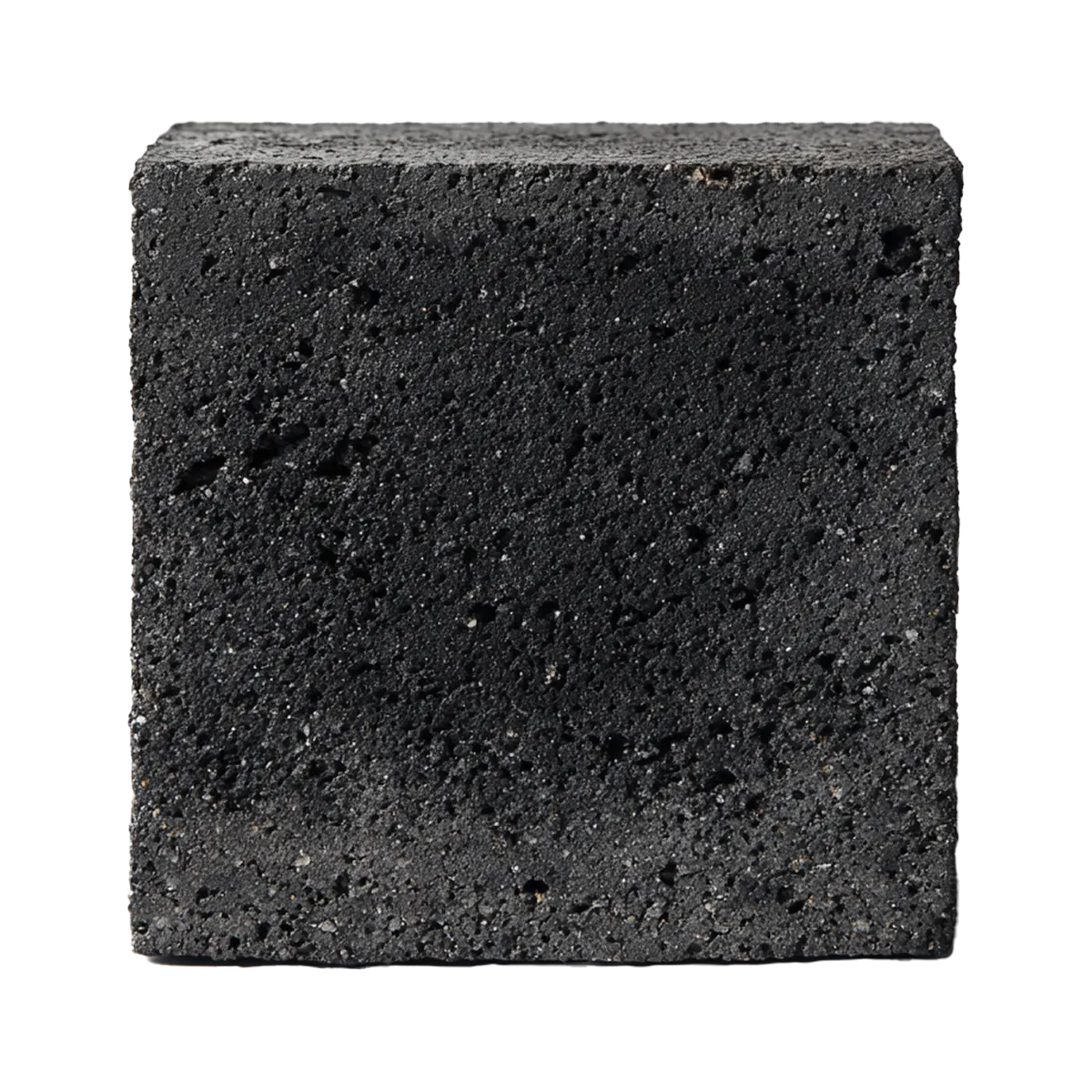
Why invest in this method?
Capitalising on the potential for carbon removal across agricultural lands, MCM can support farmers’ livelihoods while creating climate impact.
Introduction
Carbon mineralisation describes the process in which CO2 reacts to form stable minerals, called carbonates. Carbonates also occur naturally and can store carbon for long periods of time, even thousands of years in the absence of disturbances.
In ex-situ carbon mineralisation, captured non-fossil CO2 is introduced in a controlled environment like a reactor or industrial facility. The process can create low-carbon building materials, and help contribute to the decarbonisation of the building sector.
The Steps
Carbon Capture
Captured, biogenic CO2—meaning it comes from non-fossil sources—is the first step to carbon mineralisation. Concentrated in a reactor or industrial environment, the CO2 can be introduced to waste-products or materials that bind with carbon.
Reaction & Mineralisation
Carbon is locked away in mineral form when CO2 reacts and binds with other materials to form carbonates in a controlled environment. This can happen in two ways, one by introducing alkaline rocks or materials, reacting to make limestone. Alternatively, CO2 can be injected during concrete curing, called carbon curing.
Carbon Storage
The mineralisation process creates a solid, carbonated material that can be used in building products. Carbonate minerals lock away carbon for a long time, storing carbon permanently as long as there are no disturbances.
How it works
Carbon Capture
The process begins with the capture of non-fossil, or biogenic, CO2. Concentrated and in a high-pressure, high-temperature environment, reactions occur that bind carbon to the materials.
Carbon-alkaline mineralisation
One way carbon is mineralised in building materials is via alkaline rocks in a high pressure, high temperature environment. Alkaline rocks or materials, which are waste products and otherwise un-used, likes to bind with carbon to form bicarbonate, a stable mineral to lock carbon away. The product is a form of limestone aggregate.
Carbon-injection mineralisation
CO2 can also be injected to concrete or cement-products during the curing stage of production. This process, called carbon curing, induces a reaction to bind carbon as a carbonate mineral before it hardens. As a result, carbonated materials, or concrete with mineralised carbon, is formed.
Carbon Storage
Mineralised carbon produces building materials that lock carbon away as long a they are not disturbed. Limestone aggregates are mixed with materials like cement and carbonated concrete are both low-carbon building products that can contribute to decarbonisation of the sector.
Durable and circular
Carbon mineralisation has potential to stably store carbon for long periods of time, removing carbon and creating alternative pathways in high-emission sectors like concrete and building materials. When repurposing industrial waste or feedstocks, this durable solution can also contribute to waste utilisation and circular economy. And, the use of mineralised carbon as a concrete input can lower the materials use and energy of concrete production, potentially contributing to the overall decarbonisation of the sector.
The net impact of carbon mineralisation relies on the energy efficiency and supply chain of the sector. Non-fossil carbon capture and the reactions that induce mineralisation have high energy costs and rely on low-carbon energy grids.
(median score)
Mineralised carbon is highly permanent and can store carbon for 1,000-10,000 years. The carbon that is captured and stored has a low likelihood of re-release as the stable minerals are added to building materials like concrete. Carbonate minerals are chemically stable, and only exposure to extremely high temperatures would break it down.
The big-picture climate benefit of storing carbon in materials depends on the energy source. The capture, necessary temperature and pressure environment to induce reactions, and formation of materials can be a highly energy intensive process. The climate benefit of carbon mineralisation is then dependent on a given project’s access to low carbon energy and supply chain sustainability.
79
Median score
93
Minimum score
97
Maximum score
5
Count
(median score)
The co-benefits of carbon mineralisation are limited to construction and building materials, sectors with hard-to-abate (or difficult to eliminate) emissions. By adding carbonate materials to concrete, these low-carbon feedstocks actually replace the need for concrete aggregate. This reduces overall cement use and strengthens the concrete.
At scale, this can lower the cost of cement production. Projects are utilising otherwise unused products such as fly-ash residues, converting waste into a useful construction product. When feedstocks are managed carefully in this way, it supports circular economy, linking carbon removal to waste utilisation and overall decarbonisation.
28
Median score
23
Minimum score
52
Maximum score
11
Count
Talk to a carbon removal specialist.
Finding the right way to remove your CO₂ emissions can seem overwhelming.
Our team is here to help.