
About project
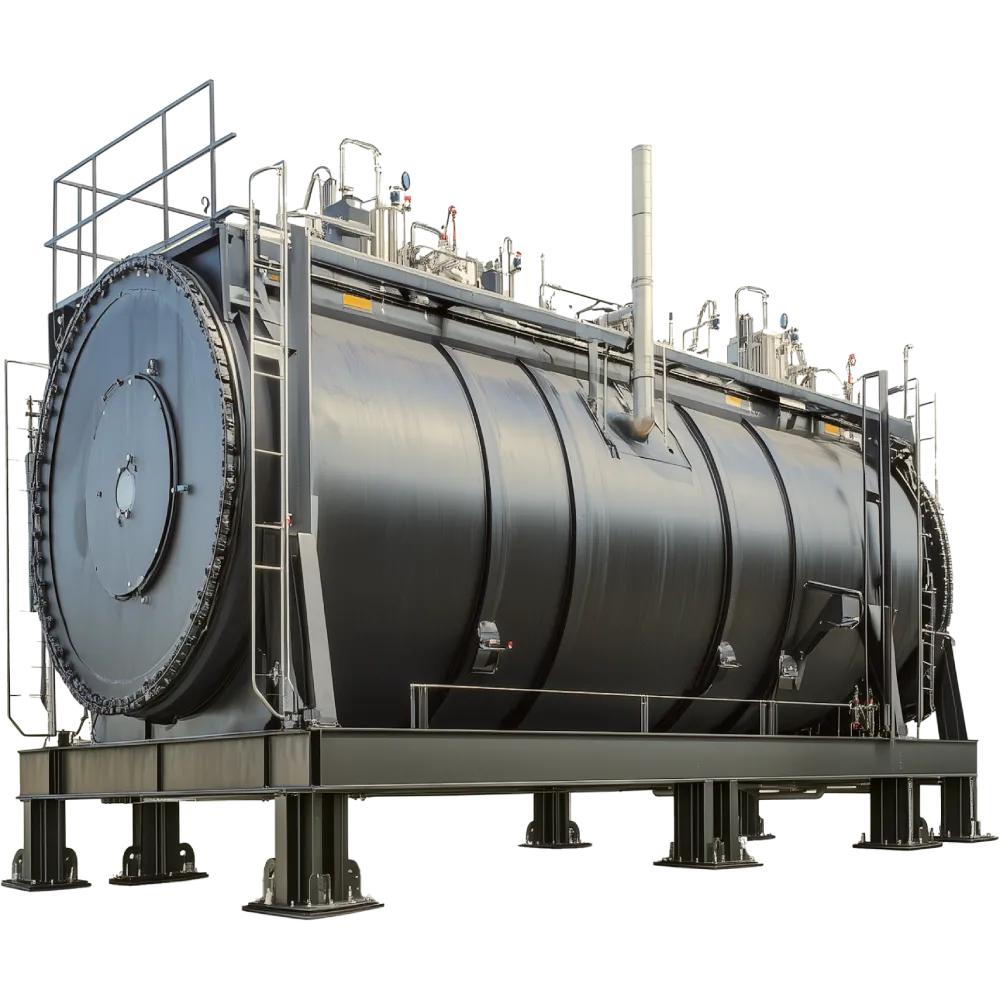
Carboneers and Terrafront have partnered with smallholder farmers in Assam, India, to produce biochar from paddy straw waste streams, preventing the release of greenhouse gases and removing CO2 from the atmosphere for at least 1000 years. Using a centralized process, the high-tech pyrolysis facility has been setup to maximize biochar yield and quality. The process ensures emissions control, efficiency, quality, and operator safety.
About supplier
Carboneers develops smallholder farmer biochar projects in the Global South, where biomass is more abundantly available and often goes to waste. By training rural farmer communities to convert their own agricultural waste biomass to biochar, socio-economic value can be created in these communities. Biochar is a stable form of carbon for over a thousand years and thus a solid carbon sink with which carbon credits can be created. The vision of Carboneers is to provide farmers with more economic stability, while enhancing soil fertility and contributing to several of the Sustainable Development Goals, such as gender equality and food security.
Benefits of project and method
- The project transforms agricultural residues like paddy straw, cotton stalks, and maize stalks, materials that would otherwise be burned in open fields, into biochar. This process not only locks carbon away for thousands of years but also helps reduce air pollution.
- Carboneers have setup their own solar panels to reduce operational emissions.
- Heat from the pyrolysis process is recycled to dry biochar feedstock, reducing energy use.
- The project will be certified through Isometric’s rigorous methodology, which features one of latest advancements and approaches to testing carbon permanence. This ensures that the stored carbon remains securely sequestered over time.
- The projects reduces gender inequality in the area enabling them to become artisans, supervisors, managers, and gives them control over their own income.
- The farmers receive 50-70% of the revenue from the sale of biochar credits.