
Biochar Life - WasteX
Biochar Life aims to both mitigate climate change and reduce poverty by training smallholder farmers in Thailand on biochar production and usage. Participating farmers turn their crop residues, waste that would otherwise be burned, into biochar that they can use on their own fields or sell to others for profit. The by-product gases from biochar creation are used to produce thermal energy and electricity, enhancing the circularity of the project. Data is collected throughout the process to ensure accurate carbon removal and is done according to Global Artisan C-Sink standards.
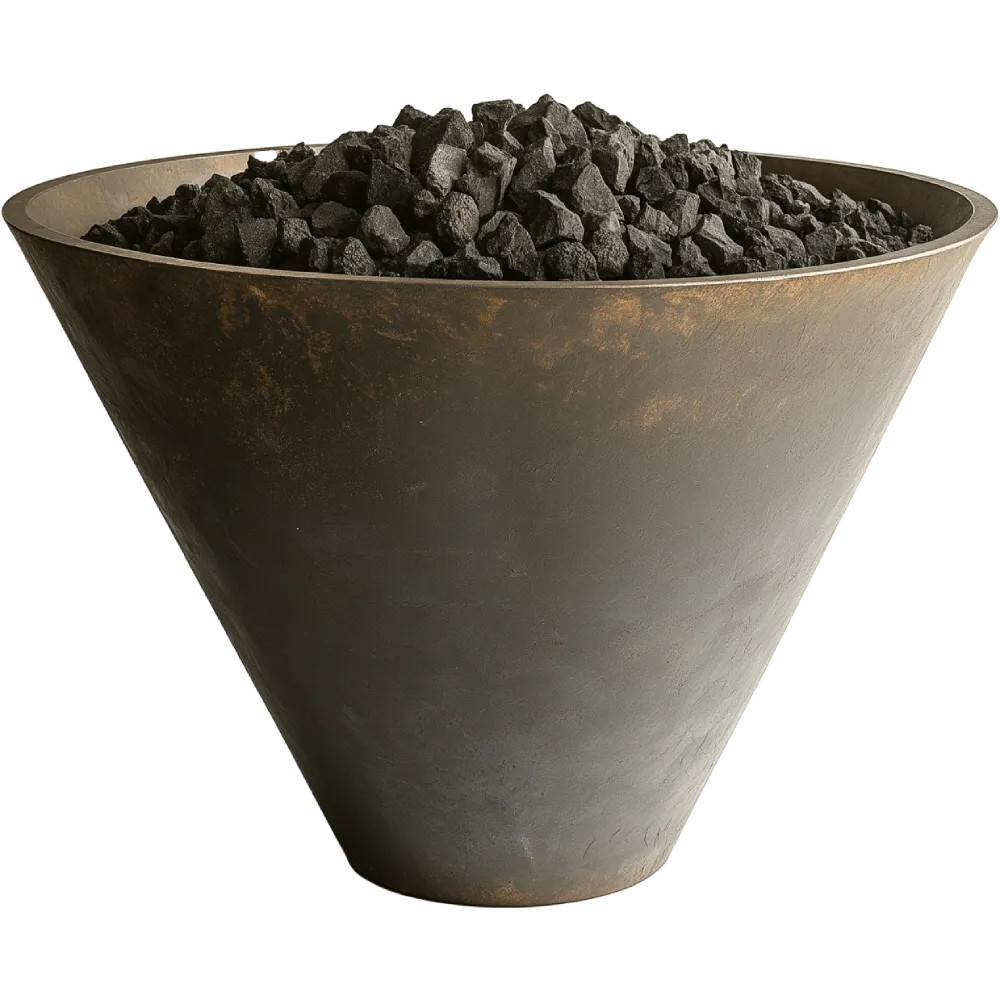
Artisanal Biochar
Artisanal biochar is produced using small-scale, often traditional methods accessible to rural communities. Biochar is a charcoal-looking, carbon-rich substance that is produced when materials like agricultural residues are heated in a process called pyrolysis.